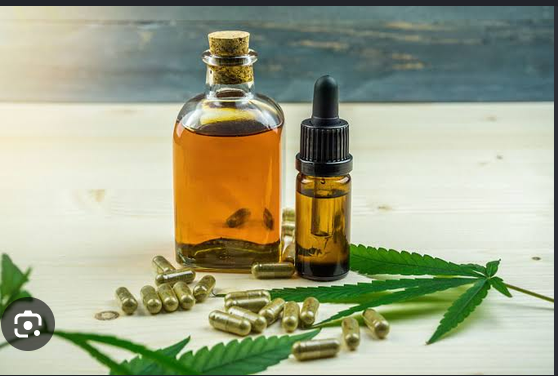
vSustainability has become an important consideration across modern industries. Businesses and consumers are increasingly interested in materials and production methods that support responsible resource management. Hemp, a variety of the cannabis plant, has attracted attention because of its applications in agriculture, manufacturing and CBD production.
Understanding Industrial Hemp
Industrial hemp is cultivated for several purposes, including producing fibres, seeds and other plant-based materials.
Certain hemp varieties are also used to produce cannabidiol, commonly known as CBD.
Hemp cultivation can support different agricultural markets, depending on local environmental conditions and regulations.
Hemp and Agricultural Sustainability
Hemp is sometimes discussed as a potentially useful crop for sustainable agriculture.
Its applications extend beyond CBD production and include textiles, paper, construction materials and animal bedding.
However, the environmental benefits of hemp depend on cultivation practices, water availability, soil conditions and processing requirements.
It should not automatically be considered more sustainable than every alternative crop.
CBD Production and Environmental Responsibility
CBD manufacturing involves several stages, including cultivation, harvesting, extraction, purification and packaging.
Each stage can have environmental impacts.
Responsible manufacturers can explore ways to improve resource efficiency, reduce waste and use appropriate packaging materials.
Opportunities for Sustainable Innovation
The hemp industry offers opportunities for developing alternative materials and improving agricultural processes.
Examples include:
- Hemp-based textile materials.
- Hemp fibre construction products.
- Plant-based packaging materials.
- Agricultural by-products.
- More efficient CBD manufacturing processes.
These applications demonstrate why hemp attracts interest from different industries.
Challenges Facing the Hemp Industry
Despite its potential, hemp production faces challenges related to regulations, agricultural investment, processing infrastructure and market demand.
CBD manufacturers must also follow applicable product safety requirements and maintain reliable quality-control systems.
The Future of Hemp and CBD
Continued research may help identify better ways to cultivate hemp and process its different components.
Improved manufacturing technology and transparent supply chains could support more responsible industry development.
Conclusion
Hemp and CBD production represent interesting areas of agricultural and commercial innovation. Although hemp offers several useful applications, genuine sustainability requires careful consideration of the entire production process. Responsible farming, efficient manufacturing and environmental awareness will be important for the industry’s future.
Leave a Reply