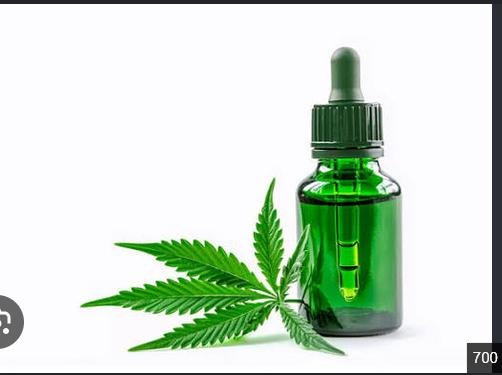
CBD, also known as cannabidiol, has become an increasingly popular subject in conversations about healthy living. As consumers explore new wellness trends, CBD products are receiving attention for their potential applications in relaxation, skincare, and medical research.
Extracted from cannabis plants, CBD is a naturally occurring compound that differs from THC because it does not typically produce intoxicating effects. Understanding its properties, potential uses, and limitations can help consumers make informed decisions.
The Connection Between CBD and Wellness
Modern wellness focuses on maintaining a healthy balance between physical and mental well-being. Sleep, nutrition, exercise, and stress management all contribute to a healthier lifestyle.
CBD has attracted interest because researchers are investigating its interaction with the body’s endocannabinoid system. This system plays a role in regulating several biological functions, including sleep, appetite, mood, and pain perception.
Although CBD may influence some of these processes, researchers are still working to understand its exact effects.
CBD and Relaxation
Relaxation is one of the most common reasons people become interested in CBD products. Some consumers report using CBD oils and other formulations as part of their personal wellness routines.
However, individual experiences differ, and current scientific evidence does not establish CBD as a proven treatment for everyday stress. More carefully designed clinical studies are needed to understand its potential effects.
Exploring CBD and Sleep
Healthy sleep is essential for concentration, energy, and general well-being. Poor sleep habits can affect daily activities and overall quality of life.
CBD is being studied for its possible relationship with sleep-related processes. Some preliminary findings have generated interest, but there is not enough reliable evidence to conclude that CBD consistently improves sleep quality.
Maintaining a regular bedtime, limiting caffeine late in the day, and creating a comfortable sleeping environment remain important sleep habits.
Different Ways to Use CBD
CBD is available in several consumer product categories:
- Oils and Tinctures: Liquid formulations available in different concentrations.
- Capsules: Convenient products containing measured quantities.
- Topical Creams: Products designed for application to the skin.
- Gummies: Edible formulations available in different flavours.
- Cosmetic Products: CBD-infused lotions, serums, and moisturisers.
Each formulation has different ingredients and absorption characteristics.
Understanding CBD Safety
CBD should not automatically be considered safe simply because it comes from a plant. Potential side effects include tiredness, diarrhoea, and changes in appetite.
It can also interact with prescription medicines and affect liver function. People taking medication should consult a healthcare professional before considering CBD.
Product quality is another important concern. Independent laboratory testing can help verify cannabinoid concentrations and identify unwanted contaminants.
CBD and the Future of Wellness
Scientific interest in cannabidiol continues to grow. Future research may provide better information about its medical applications, safety, dosage, and long-term effects.
At the same time, responsible manufacturers can support consumer confidence through transparent labelling, reliable testing, and realistic product information.
Conclusion
CBD has become an interesting part of the modern wellness industry, attracting attention from consumers and researchers alike. While certain medical applications have established scientific support, many popular wellness claims remain under investigation. Understanding the available evidence, potential risks, and product quality is essential when learning about CBD and its place in healthy living.
Leave a Reply