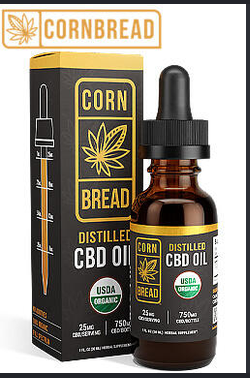
CBD has become one of the most talked-about ingredients in the natural wellness market. From CBD oils to skincare products, cannabidiol is now available in many forms. Its growing popularity reflects increasing consumer curiosity about plant-based ingredients and their possible role in modern lifestyles.
What Makes CBD Different?
Cannabidiol, commonly called CBD, is a naturally occurring compound extracted from cannabis plants. Unlike tetrahydrocannabinol (THC), CBD does not typically produce intoxicating effects.
CBD interacts with different biological systems in the human body, including the endocannabinoid system. This system helps regulate several functions, such as sleep, appetite, mood, and pain perception. Scientists are continuing to study these interactions to better understand CBD’s potential applications.
Popular CBD Products in the Market
The CBD industry offers a wide variety of products designed for different consumer preferences.
CBD Oils and Tinctures: These are among the most recognised CBD products. They are commonly available in different concentrations and formulations.
CBD Capsules: Capsules provide a convenient way to consume a measured amount of cannabidiol.
CBD Skincare Products: Creams, moisturisers, and serums containing CBD are increasingly appearing in the beauty market.
CBD Gummies: These edible products offer an alternative for people who prefer not to use oils or capsules.
Consumers should remember that the quality and composition of these products can vary between manufacturers.
CBD and Its Potential Health Applications
Scientists are investigating CBD for several possible medical applications. One well-established use is prescription cannabidiol for certain severe forms of epilepsy.
Other research areas include anxiety, sleep disturbances, inflammation, and pain management. Although early findings have generated interest, evidence remains insufficient to establish CBD as an effective treatment for most of these conditions.
It is important to distinguish scientific research from commercial advertising.
Why Product Quality Matters
Choosing a CBD product requires more than simply comparing prices. Manufacturing standards, ingredient transparency, and independent testing are important factors.
Before purchasing a product, consumers should:
- Check the CBD concentration and serving information.
- Read the complete ingredient list.
- Look for independent laboratory test results.
- Research the manufacturer’s reputation.
- Check local regulations regarding CBD and THC.
These precautions can reduce the risk of purchasing products with inaccurate labels or unwanted contaminants.
Possible Side Effects and Precautions
CBD is not suitable for everyone. Potential side effects include fatigue, diarrhoea, changes in appetite, and interactions with certain medications. Some products may also contain THC, depending on their formulation.
People who take prescription medicines or have existing health concerns should consult a healthcare professional before using CBD.
Pregnant and breastfeeding individuals should avoid CBD because its safety in these circumstances has not been established.
The Future of the CBD Industry
The CBD market continues to evolve as manufacturers introduce new formulations and researchers investigate its properties. Greater scientific understanding, improved product testing, and clearer regulations could help establish more reliable industry standards.
Consumers are also becoming more interested in transparency and evidence-based information rather than exaggerated marketing promises.
Conclusion
CBD has developed into a significant part of the modern wellness conversation. While research has demonstrated certain medical applications, many advertised benefits still require further investigation. Understanding product types, quality standards, potential risks, and scientific evidence is essential for making responsible decisions about CBD.
Leave a Reply