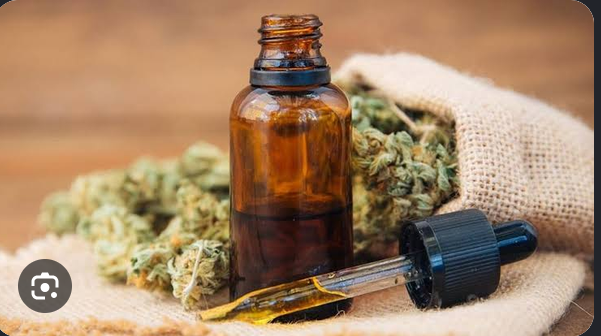
The food and beverage industry is constantly exploring new ingredients and consumer trends. One ingredient that has attracted commercial interest is cannabidiol, commonly known as CBD.
CBD has become a subject of discussion among manufacturers interested in developing innovative food and beverage products. However, its use in consumable products involves important safety and regulatory considerations.
What Is CBD?
CBD is a naturally occurring compound found in cannabis plants. Unlike THC, it does not produce the traditional intoxicating effects associated with cannabis.
CBD is available in different formulations, including oils, extracts and purified cannabidiol ingredients.
CBD and the Food Industry
Some businesses have explored CBD-infused drinks, confectionery and other food products.
These concepts have attracted attention because consumers increasingly investigate new ingredients and alternative product categories.
However, commercial interest does not automatically establish the safety or effectiveness of CBD in food.
Types of CBD Food and Beverage Concepts
Product concepts explored in different markets include:
- CBD-infused beverages.
- CBD gummies.
- CBD-based confectionery.
- CBD beverage concentrates.
- Specialised CBD food formulations.
The legality of these products varies significantly between countries.
Challenges for Manufacturers
CBD food production involves several challenges.
Manufacturers must consider ingredient quality, cannabinoid stability, accurate labelling and potential interactions with other ingredients.
They must also ensure that products comply with the relevant food safety and regulatory requirements.
In the United Kingdom, many CBD food products fall under novel food rules and require appropriate authorisation before being marketed.
Consumer Safety Considerations
Consumers should not assume that CBD-infused foods are automatically safe because they resemble ordinary food products.
CBD may interact with medicines and cause side effects. Product concentration and formulation also influence potential exposure.
Independent testing and transparent ingredient information are important considerations.
Future Developments
The future of CBD in food and beverages will depend on scientific research, regulatory decisions and manufacturing standards.
Companies may continue exploring new formulations as the industry develops, but consumer safety must remain a priority.
Conclusion
CBD has introduced new possibilities for discussion within the food and beverage industry. Nevertheless, safety evidence and regulatory compliance are essential before CBD products can be responsibly introduced into food markets. Consumers and manufacturers should prioritise reliable information and established safety standards.
Leave a Reply